 how-to
Why Buy Professional Fine Art Photography in 2026
Table of Contents
- Why Buy Professional Fine Art Photography Instead of a Poster
- What Is Fine Art Photography and Why It Matters for Buyers
- Fine Art Print Quality: What Separates Museum Prints from Mass-Produced Posters
- How to Choose Fine Art Photography That Fits Your Space and Style
- Fine Art Photography for Home Decor: Creating Atmosphere in Any Room
- Authenticity, Editions, and Provenance: What Collectors Should Verify
- Budgeting for Fine Art Photography: What Affects Price and Long-Term Value
- Frequently Asked Questions
Last Updated: October 13, 2026
Why Buy Professional Fine Art Photography Instead of a Poster
A poster reproduces an image. A fine art print is an original work made to last. That distinction is the reason to buy professional fine art photography rather than a mass-market reproduction, and it shows up in the paper, the ink, the signature, and the story behind the frame.
At LarryCoulsonPhoto, every landscape, cityscape, nature, travel, and abstract piece is designed to bring beauty and atmosphere into a home or office, not to fill a wall for a season.
A poster is printed on thin coated stock with commercial inks that fade under direct light. A professional fine art print is made with pigment inks on archival paper, inspected before it ships, and often signed or editioned by the artist. Those choices cost more to produce, and they are why the print still looks right a decade later.
The 5 factors below, from paper quality to provenance, separate a decorative purchase from a lasting one. Most buying guides get this wrong: they treat fine art photography as a style choice when it is really a materials and authenticity decision.
What Is Fine Art Photography and Why It Matters for Buyers
Fine art photography is photography created as artistic expression rather than commercial documentation, where the photographer's vision, composition, and craft shape the final image. It prioritizes personal expression and aesthetic intent over record-keeping.
That definition matters when you are buying. You are not purchasing a picture of a mountain, but one photographer's interpretation of it, printed to a standard the artist stands behind.
Three qualities distinguish fine art work from a snapshot:
- Artistic intent: the image exists to express a vision, not to document an event
- Craft: composition, lighting, and processing are deliberate choices
- Permanence: the final print is treated as a lasting work, not disposable media
The Library of Congress guidance on preserving photographs notes that print longevity depends heavily on paper and ink choices, which is exactly why those choices carry a premium.
Fine Art Print Quality: What Separates Museum Prints from Mass-Produced Posters
Print quality is the fastest way to tell a museum-grade print from a mass-produced poster, and the part buyers are least equipped to judge. Stop evaluating the image and start evaluating the object: paper, ink, surface, finishing, and documentation.
Here is a buyer's checklist you can run in person or against a seller's listing.
1. Paper and substrate. Museum-grade prints are usually made on cotton rag, baryta, or fiber-based papers that resist the acids which yellow cheap wood-pulp stock. A poster is typically thin clay-coated paper that feels slick and slightly plastic.
2. Ink type. Pigment inks resist fading far better than the dye inks used in most commercial poster printing, which are the main reason a poster hung in a bright room shifts color within a few years. Ask whether the print is pigment or dye. If the seller cannot say, assume dye.
3. Surface finish. Glossy holds the deepest blacks but reflects room light and shows fingerprints; matte and satin reduce glare and suit rooms with windows or overhead fixtures. This is a trade-off, not a quality ranking, the right finish depends on where the print will hang.
4. Print size and resolution. A large print made from a small or heavily cropped file will show softness, visible pixel structure, or artificial sharpening when you stand close. Ask for the native resolution or the largest size the file supports.
5. Finishing and mounting. Museum-grade work is mounted to a rigid backing (or hinged unmounted), matted with acid-free mat, and protected by glazing. Cheap framing uses acidic mat board that can burn a brown line into the print and often presses it against the glass.
6. Condition and handling. Inspect for dents, creases, roller marks, and edge damage before framing, once mounted and glazed, small flaws become permanent. If you plan to frame, inspect the unframed print first.
7. Documentation. Documentation is what lets you insure the work, resell it, or prove what it is later.
Image Permanence Institute's research on print stability has studied how paper and ink combinations affect how long a print survives. The practical takeaway for buyers is simple: materials decide the lifespan, and cheap materials decide it poorly no matter how good the image looks on day one.
How to Choose Fine Art Photography That Fits Your Space and Style
Choosing fine art photography comes down to three variables: scale, palette, and subject. Get those right and the piece looks intentional. Get them wrong and even great art feels off.
Start with scale. A small print on a large wall looks lost. A large print in a tight hallway feels cramped. Measure the wall, then aim for a piece that occupies roughly two-thirds of the width of the furniture below it.
Next, match the palette. Pull one or two colors from the room and look for prints that echo them. A muted seascape calms a neutral room. A high-contrast architectural shot adds energy to a plain wall.
Then choose the subject for meaning, not just looks. Travel enthusiasts often want a place they have actually stood. Others prefer abstract work that lets the room do the talking.
| Priority | What to Check | Why It Matters |
|---|---|---|
| Scale | Print width vs. wall and furniture | Prevents a lost or cramped look |
| Palette | Colors that echo the room | Creates visual cohesion |
| Subject | Personal or emotional connection | Keeps you happy long-term |
| Finish | Matte vs. glossy vs. framed | Affects glare and mood |
If you are unsure, order one piece first and live with it before building a set.
Fine Art Photography for Home Decor: Creating Atmosphere in Any Room
A single well-chosen print can set the mood of an entire room more effectively than a new coat of paint.
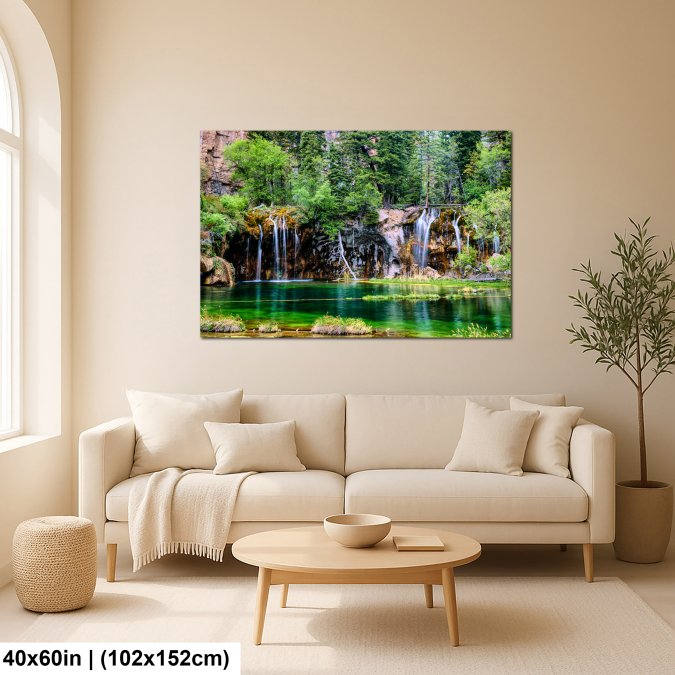
Different rooms want different energy:
- Living rooms suit large landscape or cityscape pieces that anchor a seating area
- Bedrooms reward calm, low-contrast nature and abstract work
- Offices benefit from architectural and travel imagery that feels focused and professional
- Hallways work well with a series of smaller prints in a row
Renters can use removable adhesive hooks and lightweight frames to hang art without holes, and they come down cleanly when you move.
The American Society of Interior Designers points out that art placement is one of the highest-impact, lowest-cost changes in a room. One print, hung at eye level, does more than a shelf of accessories.
Authenticity, Editions, and Provenance: What Collectors Should Verify
Authenticity separates a collectible print from a decoration. Before you buy, confirm who made it, how many exist, and what documentation comes with it.
Ask these questions:
Provenance is the paper trail: who made it, when, and how it reached you. For a new print bought directly from the artist, that trail is simple; for resale, expect documentation.
The U.S. Copyright Office explains that copyright in a photograph belongs to the photographer, which is why legitimate sellers are clear about reproduction rights and edition limits.
Budgeting for Fine Art Photography: What Affects Price and Long-Term Value
Budgeting for fine art photography means pricing the whole purchase, not just the print. The sticker price is one line in a longer list, and the lines buyers forget are the ones that blow up a budget.
What drives the print price
- Size. Larger prints cost more to produce, mount, frame, and ship. Cost scales faster than dimensions: doubling width uses roughly four times the paper and ink.
- Paper and ink. Cotton rag and baryta papers cost more than poster stock, and pigment inks cost more than dye inks, the biggest reason a fine art print and a poster of the same image are not comparable purchases.
- Edition size. A limited edition commits the artist to a fixed number of prints; smaller editions are priced higher per print because each carries more scarcity. Open editions can be reprinted, so they are priced lower and should be valued accordingly.
- Signature and documentation. Signed, numbered, or certificate-backed prints command more than unsigned reproductions, and they are the ones that hold resale value.
- Artist reputation and demand. A print from an established artist with gallery representation is priced differently from a print by an emerging photographer. Neither is automatically the better buy, it depends on whether you are collecting for enjoyment or for value.
The costs buyers forget
- Framing and matting. Professional framing is often the largest line item after the print itself and can rival or exceed the print cost for large pieces. Custom frames, acid-free mats, and glazing add up quickly.
- Shipping. Large prints usually ship flat or crated, not rolled in a tube, and oversized shipping carries a real premium. Ask for the shipping method and cost before you commit.
- Insurance. If you are building a collection, a rider on a homeowners or renters policy is worth pricing. Insurers typically want documentation, receipts, certificates, and photographs of the work.
- Care and maintenance. UV-filtering glazing, climate control, and careful placement all reduce the odds of damage. These are small ongoing costs that protect a much larger one.
- Replacement risk. A print hung in direct sun, a humid bathroom, or above a heat source may need replacing far sooner than its materials would otherwise allow.
How to think about total cost of ownership
A cheap poster may need replacing every few years as it fades or warps. A well-made print, framed properly and hung out of direct light, can stay on a wall for decades. Spread the price across that lifespan and the better print often costs less per year.
Because pricing depends on size, edition, paper, and framing, we keep current figures on our own product pages rather than quoting a single range here. Check LarryCoulsonPhoto's site for the exact price of any piece you are considering, and ask for a framing and shipping estimate at the same time so you are budgeting the full number.
Frequently Asked Questions
Why buy professional fine art photography instead of a poster or stock print?
A poster is disposable decor. A fine art print is a lasting work you can pass down or resell.
What should I look for in a high-quality photography print?
Reputable fine art print sellers list these details openly. If a seller cannot tell you the paper and ink used, the print quality is likely not museum-grade.
How do I choose fine art photography for my home?
Start with the room's function and light. A bright living room suits vibrant landscape or cityscape prints; a dim bedroom works better with moody, low-contrast nature scenes. Match the print's aspect ratio to your wall space before buying. Measure the wall, then pick a size where the framed piece takes up roughly two-thirds to three-quarters of the available width above furniture.
Does fine art photography hold its value?
Not every print appreciates, but buying from a professional photographer with a documented body of work gives you a better chance than buying open-edition decor prints.